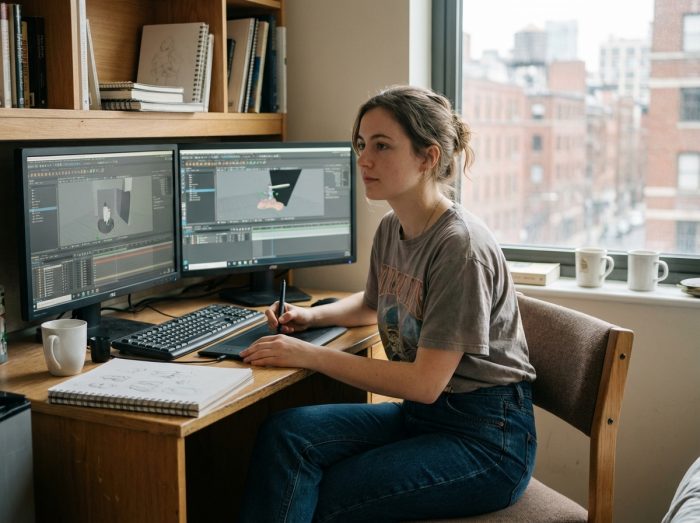
The numbers don’t lie: every year, hundreds of students try to reconcile their passion for 3D animation with the magic of special effects. This boundary, which one might think is rigid, turns out to be porous, fluid, and sometimes even uncertain within specialized schools. Some institutions draw clear lines, imposing a choice from the first year. Others, on the contrary, deliberately blur the tracks. Through cross workshops and mixed projects, the disciplines meet, challenge each other, and reinvent themselves.
Choosing a curriculum does not mean locking oneself into a single box. Students move from one software to another, test, experiment, and juggle between options and collective projects. The industry itself demands this flexibility: studios seek profiles capable of adapting, embracing various tools, and changing roles according to needs. This versatility, while valuable, can sometimes obscure the clarity of a career path and make the choice of a specialty more uncertain.
3D Animation and Motion Design: Two Complementary Worlds to Explore Without Getting Lost
In the jungle of training programs, 3D animation and motion design coexist without ever merging. 3D animation, a pillar of ESMA, IIM, or Objectif 3D, requires technical rigor and relentless imagination. Students learn to manage pressure, collaborate, and master cutting-edge software that evolves constantly. Here, countless projects have been completed for cinema, television, video games, or advertising, whether in a French studio or on the other side of the world, from Quebec to Los Angeles.
In parallel, motion design captivates with its efficiency and graphic aesthetics. It relies on dedicated tools, favors short formats, and responds to the ever-growing demand for digital content. However, these two fields multiply exchanges. On certain projects, 3D animators and motion designers join forces: an animated character emerges from moving typography, a dynamic transition connects two visual universes.
Behind this convergence lies a strategy: combining 3D animation and special effects in one’s studies allows for broadening professional horizons. This mix opens doors to advertising, animated cinema, art direction, or technical supervision. Schools adapt their offerings, invent new training programs, and encourage transversality. Students find in this diversity a way to build a unique profile, sought after in the job market.
How to Find Your Path When You Love Both Special Effects and Animation?
To navigate between special effects and 3D animation, one must first clarify what they expect from their practice, what they enjoy conveying, and how they wish to work in a team. Inspiring paths testify to this. Elodie Delune, for example, a graduate of ESMA, chose lighting and compositing at Digic Pictures in Hungary, working on projects like ‘Secret Level’ for Amazon Prime or ‘Honor of Kings’. David Thomas explored several Parisian studios before animating characters for films like ‘The Secret Life of Pets’ or the series ‘Arcane’.
In the industry, the ability to switch from one universe to another appeals to recruiters. A 3D animator can work on an animated feature film, a series, or a video game, as Quentin Aguirre did at DWARF on ‘Miraculous, the Movie’. But all this requires polishing one’s showreel: it must reflect the variety of experiences, technical mastery, and creativity. This portfolio becomes the identity card of the young professional.
Here are the main skills to develop and their areas of application:
- Character Animation: essential for films, video games, and series
- Digital Special Effects: sought after in advertising, cinema, and streaming
Before committing, it is wise to test different techniques, engage with professionals, and cultivate one’s own style. Inspirations abound, from Pixar to DreamWorks to Blue Sky. What matters is to remain curious, anticipate the sector’s changes, and seize opportunities, whether in France or abroad.
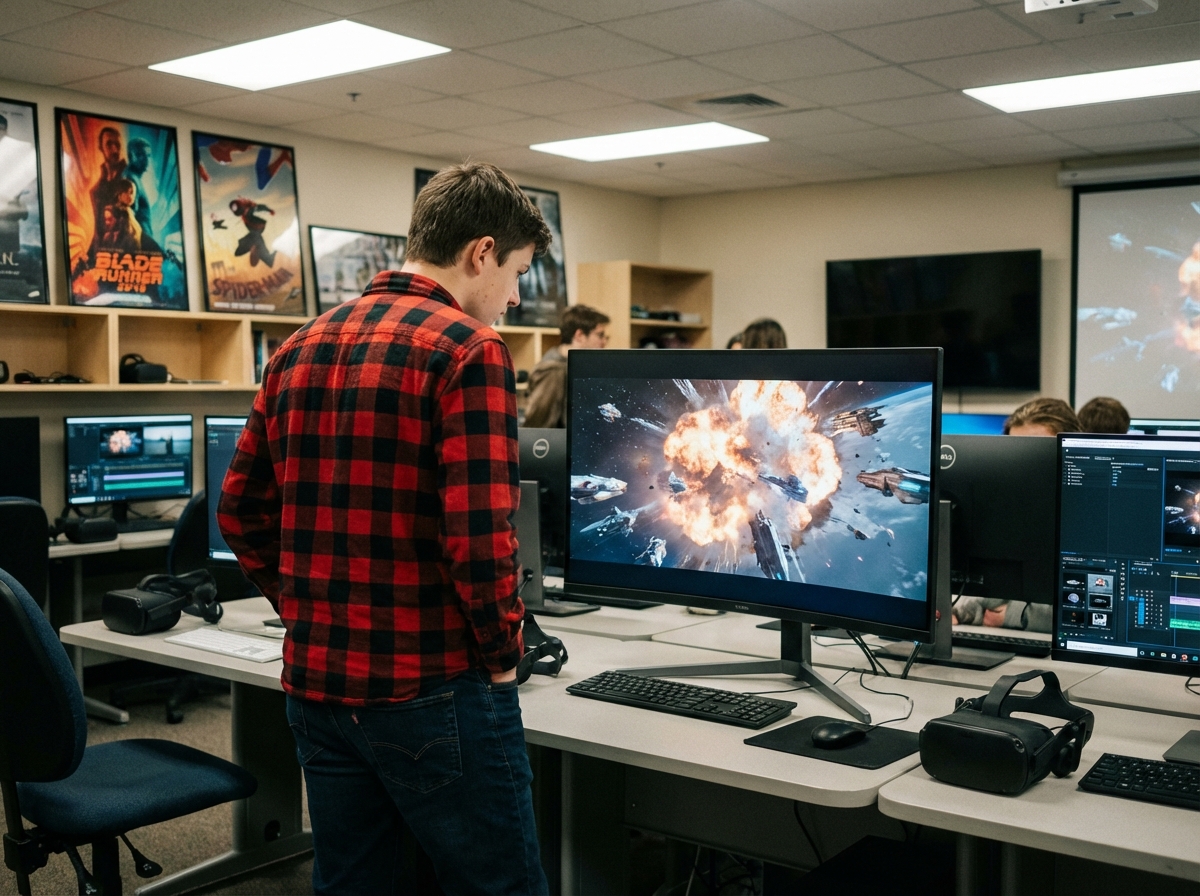
Discover, Share, and Get Inspired: The Best Resources and Creations to Follow Today
At the heart of the digital workshop, mastery of tools shapes each creator’s identity. Autodesk Maya, Blender, Cinema 4D, Toon Boom, Studio Paint, Dragonframe: all these software programs meet specific needs, from preproduction to postproduction. On desks, Wacom graphic tablets become natural extensions of the hand. Learning is built through practice, experimentation, and exchanges with other enthusiasts.
Theory is never far away. The 12 principles of animation, established by Ollie Johnston and Frank Thomas in The Illusion of Life, still serve as a compass for every animated sequence. Anticipation, exaggeration, timing… These foundations permeate the reference curricula at ESMA, IIM, or Objectif 3D, which do not hesitate to integrate the latest innovations, such as artificial intelligence.
Social platforms play a decisive role in the dissemination and critique of works. Making-ofs, analyses, and excerpts circulate in loops, fueling emulation. Take the example of Miraculous, the Movie: each scene featuring Ladybug or Hawk Moth generates discussions and debates about the artistic direction. Forums, Discord groups, and YouTube channels become crossroads where students, professionals, and self-taught individuals exchange advice and feedback.
One should not hesitate to explore other horizons: stop motion, digital 2D, hybridizations between motion design and special effects. This openness nourishes creativity, drives innovation, and prepares for a constantly evolving sector. Tomorrow, profiles capable of crossing boundaries between disciplines will hold the keys to the most ambitious projects, and perhaps even to their own dreams.