A gold piece never costs the same depending on which door you knock on. Behind the professional’s smile, buyback discrepancies can sometimes reach staggering heights, even though an official price for the metal is displayed everywhere online. Transactions at the counter are shrouded in opacity: some “experts” keep quiet about the taxes to be expected or neglect to ask for identification, muddying the waters for individuals eager to sell.
While the law strictly regulates the sector, it leaves room for maneuver that the most skilled take advantage of. Between enticing promises and familiar pitfalls, there are concrete ways to sell at the best price and avoid the pitfalls that await poorly informed sellers.
Selling your jewelry and precious metals: how it works and what to expect
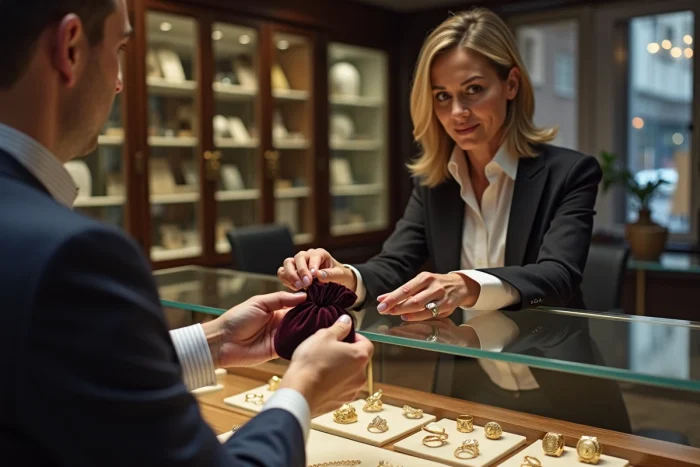
Before giving up any gram of gold, a serious appraisal is essential. Each piece, jewelry, bullion, coins, or other objects, passes through the specialist’s hands: they check the weight, gauge the carat, and assess the overall condition. The goal: to determine the exact proportion of precious metal and set a purchase price linked to the current metal prices.
The buyback process follows a marked path. After an on-site estimate, the proposed amount fluctuates according to the market and demand. Every transaction requires the presentation of an identification document, the issuance of a detailed receipt, and adherence to strict rules for payment, especially when the amount exceeds 1,000 euros.
Once an agreement is reached, payment is most often made by bank transfer or check. Players like Mister Cash remind us of the importance of vigilance at every step and share specific advice on the Mister Cash page, Our best tips for your finances. A straightforward display of the price per gram, exemplary traceability: this is what protects the seller.
Some concrete recommendations can help avoid unpleasant surprises:
- Ensure that the weighing of your jewelry, bullion, and objects takes place in your presence.
- Always demand a written estimate, accompanied by the metal price used for the calculation.
- Check the reputation of the professional and the reviews from their clients before committing.
By following these steps, the buyback of jewelry, bullion, or precious metals can be done quickly, without unpleasant surprises. Meticulous expertise and transparency in the process are your best allies for concluding the sale calmly.
Comparing offers and obtaining a free estimate: the keys to maximizing your gain
The buyback price of jewelry, bullion, and other precious metals changes daily, driven by international prices set by the London Bullion Market Association. This instability calls for caution. Before making any commitment, request a free estimate. This simple reflex, with no consequences for the future, enlightens you on the true value of your jewelry, bullion, or coins and limits disappointments.
Serious buyback professionals rely on the silver price, market conditions, the purity and weight of each piece. Some display a purchase price per gram; others prefer to offer a total sum. Favor those who play their cards openly: transparency regarding the metal prices and the amount proposed distinguishes those who truly respect the client.
Some points to check to leave nothing to chance:
- Request a written quote detailing the calculation method.
- Compare the buyback prices obtained on the same day: among specialists in silver metal or bullion coins, discrepancies can sometimes amount to dozens of euros.
- Inquire about the method of free appraisal: weighing in front of you, metal testing, alloy analysis…
Reference to the London Bullion price, updated daily, remains a solid benchmark for evaluating a proposal. The more precise information you obtain, the greater your negotiating power. Ask questions, negotiate, and highlight each jewel, each bullion, or silver coin to get the best price.

Scams, tax obligations, security: pitfalls to avoid when reselling
The resale of jewelry or precious metals sometimes attracts malicious intermediaries. Some promise an outrageous sum, then apply hidden fees or disproportionate commissions. Others rush the estimate and take advantage of the ambiguity surrounding the value of carats or the purity of bullion. To protect yourself from these practices, always demand a detailed receipt: weight, title, net amount, payment method, everything must be clearly stated.
Taxation comes into play from the first euro earned from the sale of coins, jewelry, or objects made of silver or gold. Once the amount exceeds 5,000 euros, the Precious Metals Tax (TMP) applies in France, with some exceptions related to certain bullion or family estates. This tax reaches 11.5% of the amount, sometimes increased by the contribution to the repayment of social debt. If in doubt, demand a transaction certificate or have the nature of the value tax (TPV) or TMP mentioned in the contract.
Security does not stop at fraud detection. Prefer bank transfer or check; cash payments are not allowed beyond 1,000 euros. Prefer to hand over your jewelry or bullion in a secure location, under supervision. Attend the weighing and appraisal: every step must be traceable and validated on the spot. This choice protects against unpaid debts and disputes, and ensures compliance with the buyback.
With each piece sold, it’s a balance between caution, demand, and flair. Those who inform themselves, compare, and refuse any opacity come out ahead, leaving unpleasant surprises to the careless.