A family album has never been enough to hold the bonds that connect the living to the departed. Over time, each person reinvents in their own way how to keep the presence of those who have gone alive, between unchanging traditions, whispered memories, and new digital practices.
At a time when rituals are diversifying, some break free from the customs passed down through generations to shape gestures that reflect them. Others rely on the strength of the collective, bringing together close ones and friends to imagine moments of shared memory. Each person seeks, fumbles, and finds a tailored way to honor their family history.
Why preserving family memory remains essential for everyone
Keeping the family memory alive is not just about collecting memories. It is about nurturing that sense of belonging, giving meaning to the bonds that cross generations, and making grief a little less abrupt. Telling the gestures, passing down stories, sharing objects: these markers outline the silhouette of each family, binding loved ones even when some are no longer there. Those who undertake this work weave an invisible thread between the present and the absent.
Preserving the memory of the deceased also offers future generations a foundation, a story in which to anchor themselves. Photo albums, memory books, videos, gatherings around memory: all these are ways to give body to this family narrative. Nothing is fixed; everything evolves according to needs, silences to fill, and memories to revive.
Some integrate these approaches into a forward-looking momentum. Honoring memory is never turning one’s back on life: it is inviting those who are no longer here to continue resonating in the present. Spaces like Francoeur allow for organizing this memory, opening it to all who wish to keep it alive, and supporting this path of remembrance. Preserving family memory is affirming the continuity of the bond, maintaining the silent dialogue between the departed and the living, enriching this invisible heritage of which everyone is, one day, the guardian.
What forms can tributes take, between traditions and personal gestures
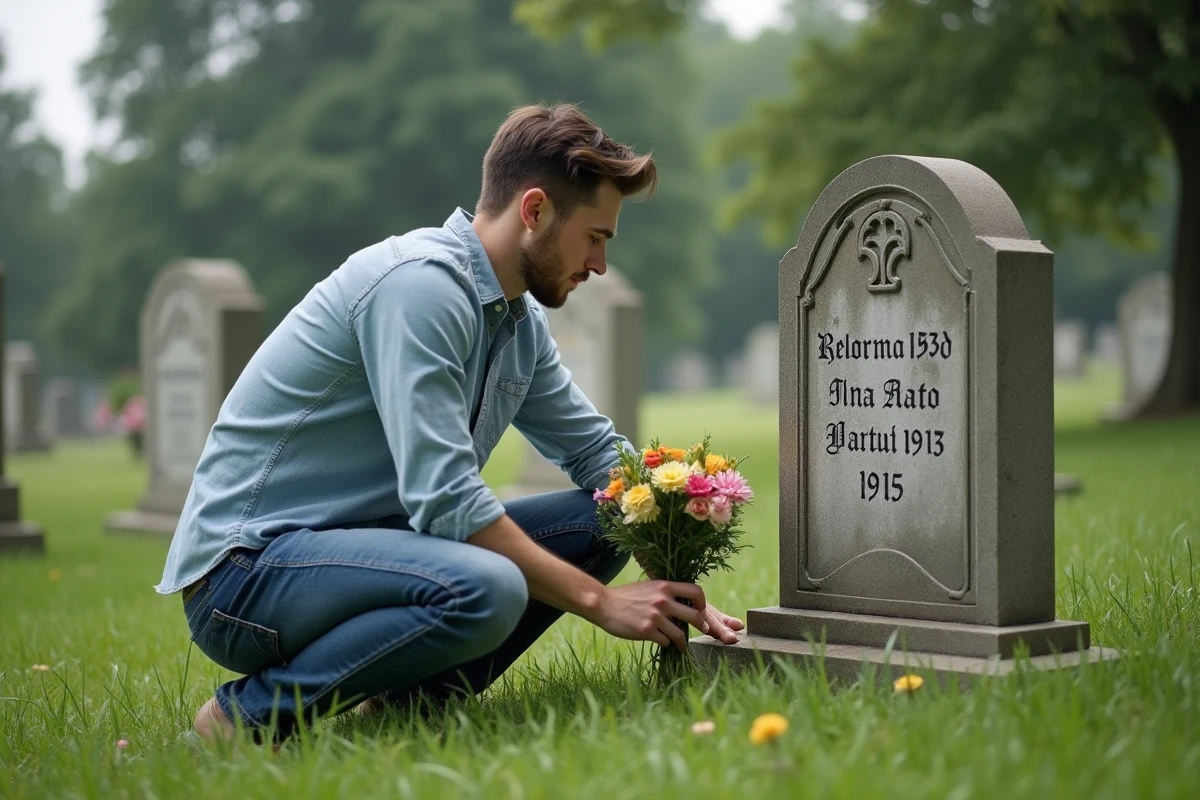
The ways to pay tribute to a deceased person are as diverse as families themselves. The grave marker on a tombstone remains a reference, but it is just one possibility among many. Lighting a candle on the anniversary date, placing a cherished object on the grave, or creating a memorial space at home: each person imagines their own rituals to celebrate the memory of the deceased.
Sometimes, people gather photos, messages, and anecdotes in an album or a memory book, a process often collective where each generation finds its place. Others prefer to plant a tree, an acacia for longevity, a rosebush for tenderness, thus creating a living memorial space, a witness to the memory that transforms.
Here are some symbolic gestures that reflect this diversity:
- Writing a letter for a ceremony
- Sharing a meal where everyone recalls a significant memory
- Gathering in a box objects that belonged to the deceased person
Each of these gestures, whether inspired by tradition or invented on the spot, responds to this universal need to leave a trace, to acknowledge the uniqueness of each story. Memorial spaces, whether physical or digital, albums, and objects establish a silent dialogue with the absent while supporting the living in their grief process.
Involving family and loved ones in creating lasting memories
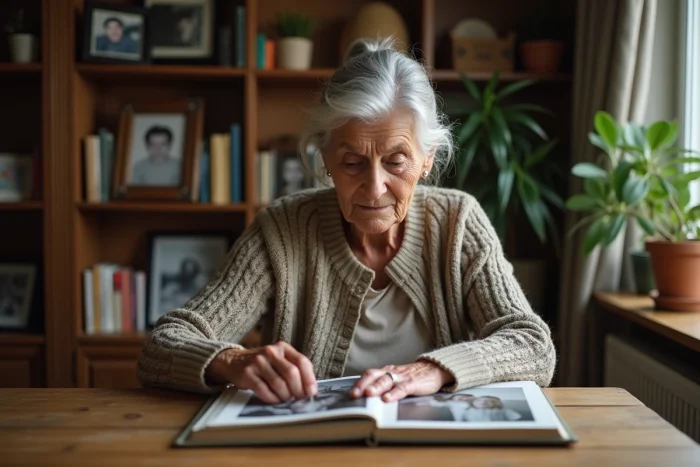
When memory is written collectively, it enriches and comes to life. Flipping through a family photo album with loved ones during a dinner or a quiet afternoon opens a space where memories flow, where generations intersect and respond to each other. Children ask questions, elders tell stories, and everyone reclaims the transmitted tales in their own way. This sharing does not freeze the past; it makes it tangible, vibrant, accessible to all.
To honor the memory of a deceased person and maintain the family bond, it is possible to involve those around to gather anecdotes, handwritten messages, or precious objects that belonged to the deceased. The younger ones draw, the elders recount, each contribution enriches a memory book or a shared memorial space. These initiatives, even modest, take on the value of a true family heritage.
Here are some concrete ways to build a living memory together:
- Creating a themed photo album as a family
- Collecting photos, messages, and anecdotes to pass on to future generations
- Creating a dedicated space in the home, simple or colorful, according to desires and sensitivities
The memory of the deceased does not stop at the intimate sphere: it is part of a collective grief process, fosters transmission, and nourishes that sense of belonging that binds the family and friendship circle. Each shared gesture is anchored in the present and shapes an action directed towards the future.
This thread of memory, woven together, withstands the test of time. When memory becomes collective, it offers those who remain not only support but also the strength to continue, bearers of a story that never really stops.