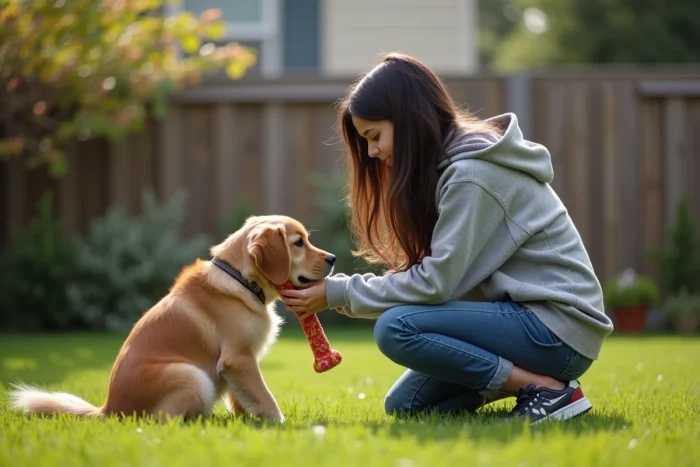
In France, the employment of minors under 15 is strictly regulated by the Labor Code, but certain supplementary activities escape the usual regulations. Online platforms rarely accept registrations from those under 18, while the demand for pet sitting continues to rise in residential neighborhoods.
Families often look for trustworthy young people to watch their pets during short trips. Local rules, owner expectations, and legal restrictions create a complex but not prohibited environment for motivated teenagers. Certain steps can help navigate administrative obstacles without breaking the law.
Dog sitting at 15: what to know before getting started
Before offering services, it’s crucial to understand a key difference: pet sitting done voluntarily is not subject to the same rules as paid work. The regulations generally prohibit salaried employment before age 16, with rare exceptions. However, occasional pet sitting remains accessible, provided it does not interfere with schooling and parental permission is obtained. In this context, the young person acts under the supervision of an adult, often the pet owner. Registering on a specialized platform is only possible from the age of 16, even for a one-time assignment.
To start without risk, it’s better to reach out to relatives, neighbors, or family friends. Offering help without formal compensation or accepting a small undeclared token of appreciation is tolerated, but each arrangement, even informal, engages the civil liability of the parents. Pet sitting involves more than just being present: it includes feeding, walking, monitoring, and ensuring the comfort and safety of the entrusted animal. With each service, concrete responsibilities weigh on the young sitter, both towards the animal and the family.
Caring for a dog or cat also requires clear communication. Written agreement from parents, precise instructions from the owner, hygiene measures… some prefer to formalize the agreement via a signed sheet: schedules, animal needs, emergency contacts, everything is laid out in black and white. To deepen the process and anticipate the transition to a declared activity, the site Becoming a minor dog sitter offers concrete guidance. It provides tips for organizing pet sitting within the rules, examples of useful documents, and advice for preparing for the transition as legal adulthood approaches.
What skills and qualities make a difference for a young pet sitter?
Starting in pet sitting at 15 is not just about loving the neighborhood dogs or cats. Families primarily want to entrust their pet to someone reliable, attentive, and capable of taking on some responsibilities. Observing a dog that behaves strangely, intervening if necessary, following instructions to the letter: all of this cannot be improvised.
To meet these expectations, it is essential to demonstrate organization and patience. Planning interventions, scheduling walks, not forgetting a step in the dog’s routine—this is what is expected from a young pet sitter. Many families provide a detailed list: feeding at fixed times, administering medication, offering suitable play for the aging animal… Each of these tasks requires attention and seriousness.
Love for animals is not everything. Some knowledge about animal behavior is helpful: knowing how to spot a sign of stress, identifying a digestive issue, adapting one’s approach to a shy dog or a cat that dislikes strangers. Even though the law does not impose any training for pet sitters at 15, educating oneself through reliable literature or attending a local workshop can make a difference. From age 16, preparing for the ACACED (certificate of knowledge for domestic pet species) becomes a real asset for moving to the next level.
Building trust also involves maintaining dialogue with families. After each sitting, gathering feedback, whether oral or written, allows for improvement and reassures owners. Sending updates, a photo, mentioning a detail of the day, reporting a minor incident: these gestures show sincere involvement and create a solid relationship between the young pet sitter, the family, and the animal.
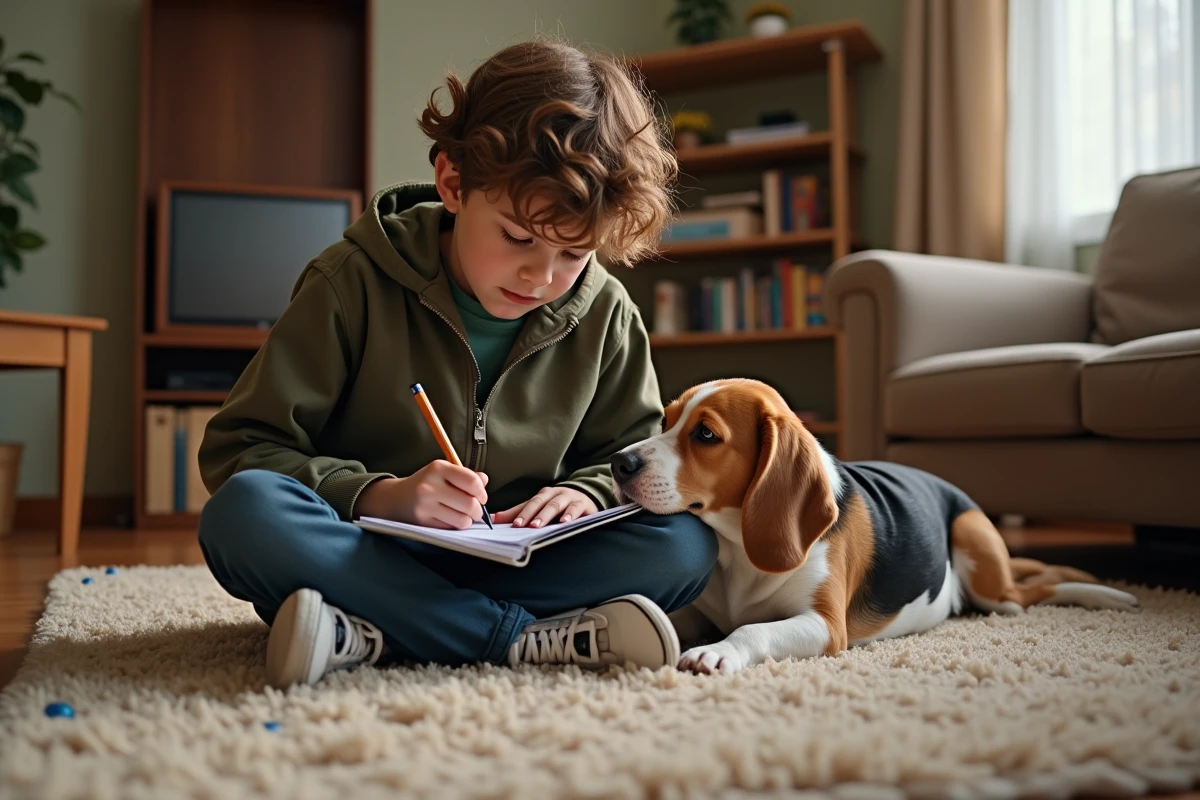
Creating a small dog sitting business: steps, legality, and tips for starting smoothly
At 15, minor dog sitting must be built on clear foundations. The regulations prohibit any declared paid activity before age 16, with rare exceptions. However, a teenager can agree to watch a pet occasionally, outside of school hours, only with formal parental consent. Adult supervision is recommended, especially for extended sitting.
Before even meeting an owner, it’s advisable to request a written permission from parents for each assignment. Many platforms require this document, sometimes accompanied by a brief interview or a skills certificate. To avoid any issues, the question of liability should be anticipated: in case of an incident, family civil liability insurance generally covers the minor, but checking with the insurer is essential. An extension may be necessary depending on the circumstances.
To start without stress, it’s wise to offer services to trusted individuals and clarify in advance what is being offered. Here are some examples of services to highlight:
- Dog walking, lasting 20 to 45 minutes to be agreed upon together.
- Short visit to feed, play, clean, about 30 minutes.
- Occasional in-home sitting, for a few hours, but without staying overnight.
The question of payment deserves clarification: a minor cannot receive official remuneration. However, a small gift or a symbolic token of appreciation is possible, within reasonable limits and respecting the law. For those looking to go further, it is possible to prepare for the future: from age 16, one can create a micro-enterprise with parental consent, declare their activity, and take out a professional civil liability insurance.
To demonstrate seriousness and reassure families, keeping a logbook proves very useful. It allows for gathering the owner’s instructions, the animal’s habits, and the veterinarian’s contact information in case of need. This organization, simple yet rigorous, facilitates follow-up and helps establish lasting trust.
Starting in dog sitting at 15 means navigating legislation, family expectations, and the realities on the ground. Young people who engage with rigor, curiosity, and a sense of responsibility are already paving the way for more ambitious projects. Sometimes, the first walk with a neighbor’s dog opens up much more than just the garden gate: it charts a path of autonomy and trust, where every step counts.